
How to Transition from a Visitor Visa to a Carer Visa
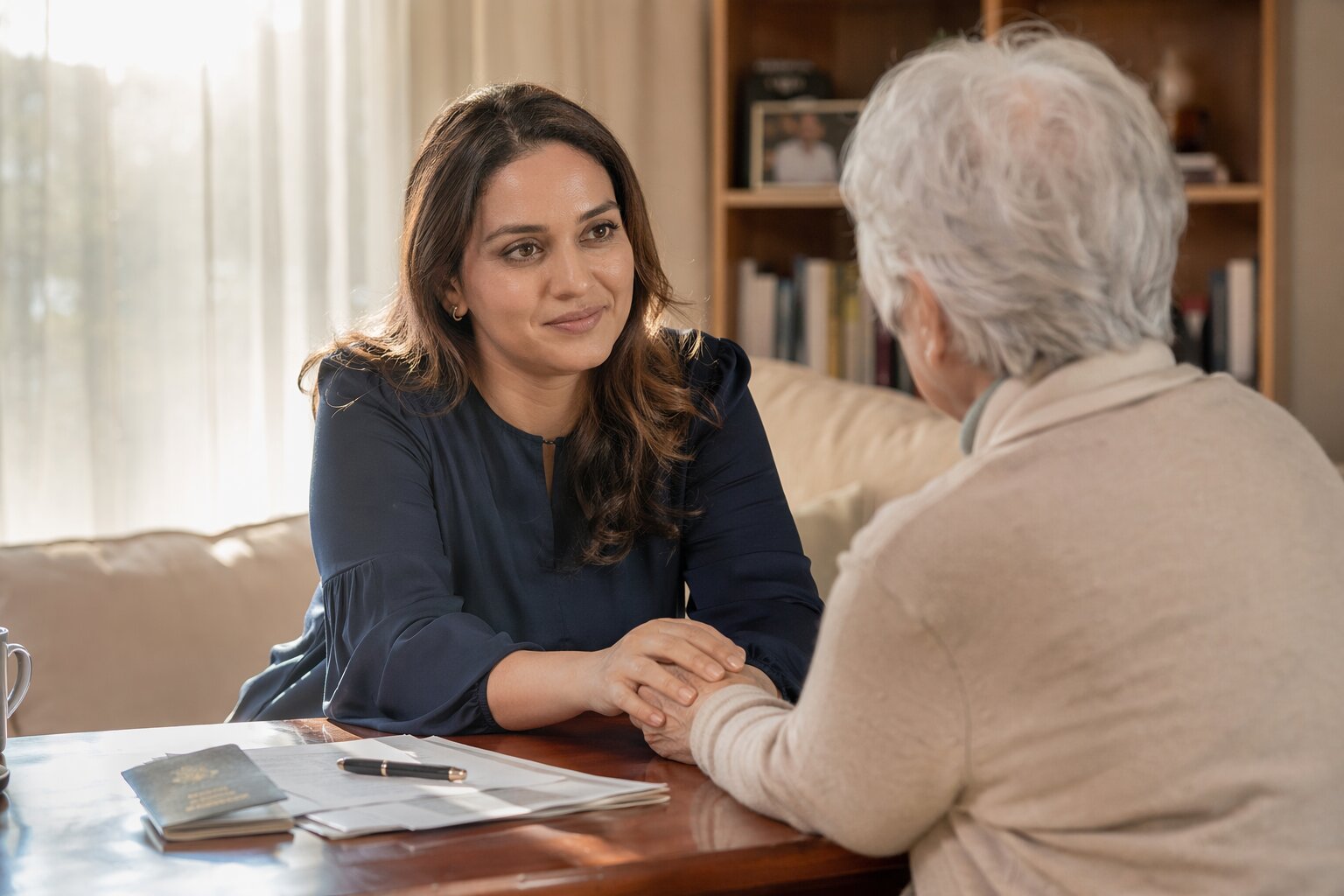
If you’re considering moving from a visitor visa to a carer visa, you need to understand the regulations and required steps, or you risk delays and complications. Rules around these visa types are strict, and mistakes can lead to setbacks. Before you make any decisions, it's important to check how your current conditions line up with carer requirements and what challenges you might face. The process is more intricate than it first appears—here’s what you should know next.
Understanding the Carer Visa Requirements
Transitioning from a visitor visa to a Carer Visa requires comprehension of the specific criteria established for carers. It is essential to fulfill eligibility requirements, with emphasis on demonstrating the necessity for care rather than highlighting employment aspects as a worker.
The sponsoring relative must be an Australian citizen, permanent resident, or an eligible New Zealand citizen.
When submitting your application, it is critical to provide robust evidence, including specialist medical reports, and ensure that any documents not in English are properly translated.
Importantly, the process of switching from a visitor visa to a Carer Visa does not hinge on salary or a certificate of sponsorship.
It is advisable to review all relevant legal updates diligently and to consult with a knowledgeable professional if further information is required.
Assessing Your Current Visitor Visa Conditions
Before transitioning to a Carer Visa, it is essential to thoroughly assess the conditions of your current Visitor Visa. Certain Visitor Visas have specific restrictions that may limit your ability to apply for another visa while in Australia.
It is advisable to review the details provided on your visa's official page to determine the legality of making a switch.
You should closely examine the eligibility requirements related to the Carer Visa and compile relevant documentation that supports your application. Additionally, confirm whether there are significant health or care needs for the family member you intend to assist.
Investigate the options available for lawful employment, as your current visa may impose limitations on your ability to work.
If you are already in Australia, be mindful of any changes to your circumstances, including salary thresholds and requirements.
Should you need further information or guidance on the application process, it is advisable to seek professional assistance.
Determining Sponsor Eligibility
Determining sponsor eligibility is an important consideration when transitioning from a Visitor Visa to a Carer Visa in Australia. The sponsor must be a relative in need of care, their spouse, or their de facto partner.
Eligibility to act as a sponsor is limited to Australian citizens, permanent residents, or eligible New Zealand citizens who are permanently settled in Australia. Additionally, the sponsor must demonstrate that they have ongoing health needs that necessitate the applicant's care.
To ensure a valid application, it is vital to provide sufficient evidence of the familial relationship, documentation reflecting financial capacity, and a comprehensive overview of eligibility requirements. Insufficient proof of sponsorship can lead to delays in the application process.
For legal advice or to explore additional options, individuals are encouraged to consult with immigration lawyers Australia, contact appropriate services, or review the primary content available on the subject.
Gathering Comprehensive Medical Evidence
Recognizing the importance of accurate medical documentation, it is essential for applicants to compile comprehensive and current medical evidence to support their request for a Carer Visa.
All submitted documents should clearly detail ongoing health needs, the specific type of support required, and the inadequacies of alternative care options available in the UK. It is advisable to obtain specialist reports that align with the eligibility criteria outlined on the application page and to regularly assess any changes in the individual's condition.
Furthermore, it is important to systematically link the provided evidence to the legal framework and requirements for transitioning from a Visitor or Student visa.
A well-organized collection of evidence that supports a certificate of sponsorship can enhance the credibility of a Worker visa application, thereby facilitating a more effective review process.
Demonstrating Genuine Need for Care
To successfully apply for a Carer Visa, it is essential to gather comprehensive medical evidence, which serves as a critical component of your application. Demonstrating a genuine need for care is necessary to meet the requirements set by UK authorities.
Specifically, you must provide evidence that the individual you are sponsoring is unable to access adequate care services through alternative routes such as Worker, Student, or Legal avenues.
Your application should include clear documentation from healthcare professionals that outlines the individual's long-term medical condition and specific care needs. This may involve the submission of medical certificates, assessments, and other relevant documentation to substantiate the claim of inadequate care.
Additionally, including vital records such as birth certificates can help establish your relationship with the individual in need of care.
It is important to note that these eligibility requirements form a central part of the information available on the visa overview page.
Should you require further assistance or additional search options regarding the application process, you may consider reaching out to relevant authorities or support organizations for guidance.
Compiling Supporting Documentation
Documentation is essential for your Carer Visa application, as it serves as the primary evidence to establish your eligibility. If you are transitioning from a Visitor or Student visa in the UK, it is imperative to adhere to the specific eligibility criteria associated with this process.
To ensure a comprehensive application, you should compile the following key documents: your passport, birth certificate, and certificate of sponsorship. Additionally, it is advisable to gather medical evidence that outlines the health needs of the individual you will be caring for, as well as proof of your relationship—this may include marriage certificates, family trees, or pertinent licensing details related to care.
For any documents not in English, accurate translation is critical to avoid complications during the application process.
It is also important to organize your application materials clearly on the main content page to facilitate a review.
If you require further assistance or legal guidance, or if you have queries regarding salary adjustments, employment, sponsorship, or related services, please feel free to reach out.
Clear and well-organized documentation can significantly improve the outcome of your application.
Addressing Common Application Challenges
Transitioning from a visitor visa to a carer visa requires adherence to specific regulations, which demands careful attention to eligibility criteria and timing considerations.
It is advisable to review the detailed information on the visa page to determine if you qualify for a visa switch. Challenges can frequently arise during the application process; thus, ensuring that all necessary documentation is organized is essential.
Documents must be accurately translated if they are not in English, as non-compliance can lead to complications. All eligibility requirements must be satisfied, particularly those concerning proof of sponsoring relationships and documentation of health needs.
The focus of the carer visa is on providing care services rather than employment salary, which differs from the requirements for UK Worker or Student visas.
For further assistance or clarification, it is recommended to utilize the 'Contact us' links available within the main content to enhance the application process.
Navigating the Application Process
To navigate the carer visa application process after your time as a visitor, it is essential to first confirm whether your current visa conditions allow for an onshore application, as the terms can vary significantly between different visitor visas.
It is advisable to consult the official immigration website for an overview of eligibility requirements, which must be satisfied prior to making a switch from a visitor visa to a carer visa.
Documentation is a crucial aspect of this process. You will need to prepare necessary identification documents, such as passports and birth certificates, along with health evidence.
It is important to ensure that these documents are translated into English if they are not already, as this is often a requirement.
When preparing your application, it is necessary to present a comprehensive case for your sponsorship. This involves detailing the ongoing care needs of the individual you intend to support and providing substantial evidence to back your claims.
This could include medical records, personal statements, and other relevant documentation that illustrates the necessity for caregiving support.
In the event of any changes in your situation, or if you encounter legal inquiries, it may be prudent to seek professional assistance.
Additionally, before you submit your application, consider your options regarding employing care services, as this could impact your eligibility and the overall application process.
Managing Timelines and Visa Expiry
As the expiration date of your visitor visa approaches, it is essential to manage application timelines effectively to maintain lawful status in Australia.
Begin by reviewing the eligibility criteria outlined on the application page, and ensure that you have compiled all necessary documents, including any required medical evidence.
Next, consider potential sponsoring options, such as securing an employer or an eligible family member who can support your application.
Verify whether a certificate of sponsorship or an employer licence is a prerequisite for your chosen pathway.
If you currently hold a status as a Student or Worker, or if you are from the UK, it is advisable to evaluate any specific requirements or recent legal changes that may affect your application.
Initiating your preparations early can mitigate risks associated with visa lapses.
For further clarification on requirements or to explore alternative Care visa options, please reach out to a qualified professional for guidance.
Monitoring Application Progress and Updates
To stay informed about the status of your Carer Visa application, it is advisable to regularly access the immigration portal or contact the relevant authorities directly for updates.
Monitoring your email and postal mail, as well as the main section of the visa application page for any changes, is essential. Additionally, ensure that your contact details are up to date to receive important notifications.
In instances where you are requested to provide additional evidence or documents, such as a certificate of sponsorship for Care Worker positions, it is critical to respond promptly.
If you have transitioned from a Visitor or Student visa, it is important to review the eligibility criteria and available options for sponsorship. For further clarity on your situation or to discuss enhancements to service delivery, you may consider reaching out for legal guidance.
Conclusion
Transitioning from a visitor visa to a carer visa requires careful planning, strict compliance with visa conditions, and thorough documentation. Make sure you've secured the right sponsorship, gathered all necessary evidence, and clearly demonstrated the genuine need for care. If challenges arise, don't hesitate to seek expert advice or communicate with immigration officials for clarity. By staying organized and proactive, you can improve your chances of a smooth and successful visa transition without unnecessary complications.